


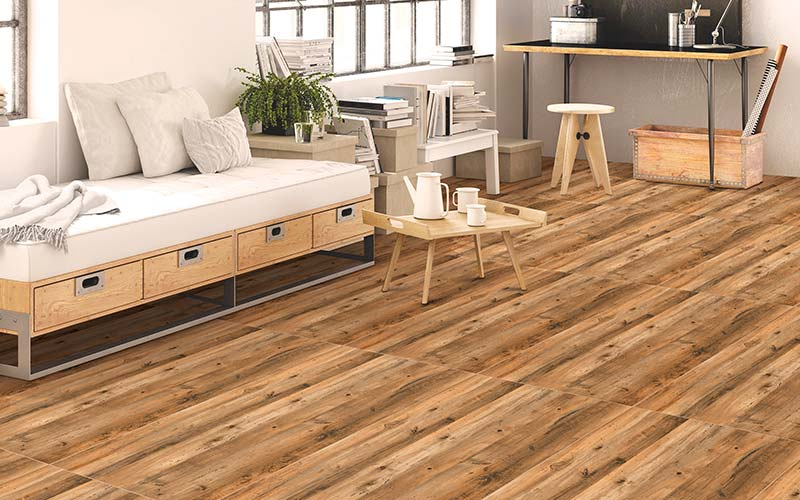
Choosing the right flooring for your home is one of the most important decisions a homeowner can make. Flooring doesn’t just set the tone for your interior design—it also affects comfort, durability, maintenance, and even the resale value of your property. From classic hardwood to modern vinyl, the options can feel overwhelming. This comprehensive guide explores the most popular types of residential flooring, their benefits, drawbacks, and how to select the perfect flooring for every room in your home.
1. Why Choosing the Right Flooring Matters
Your flooring is more than just a surface to walk on. It impacts:
- Aesthetic Appeal: The right flooring enhances the style of your rooms, whether you’re going for modern, rustic, or traditional décor.
- Durability: High-traffic areas need flooring that can withstand wear and tear.
- Maintenance: Some flooring types are easier to clean and maintain than others.
- Comfort & Safety: Soft surfaces like carpet offer comfort, while textured floors provide anti-slip benefits.
- Home Value: Well-chosen flooring can increase the resale value of your home.
2. Hardwood Flooring
What is Hardwood Flooring?
Hardwood flooring is made from solid wood planks, usually sourced from trees like oak, maple, cherry, or walnut. Known for its timeless beauty and durability, hardwood has been a favorite choice for centuries.
Benefits of Hardwood Flooring
- Longevity: Hardwood floors can last for decades with proper care.
- Aesthetic Value: Offers a warm, elegant look that enhances any interior.
- Easy to Clean: Dust and dirt can be swept or vacuumed easily.
- Customizable: Can be sanded, stained, or refinished to match changing décor.
- Increases Property Value: Homes with hardwood floors often sell faster and at higher prices.
Drawbacks of Hardwood Flooring
- Expensive upfront cost compared to other flooring types.
- Susceptible to moisture and humidity; not ideal for bathrooms or basements.
- Requires periodic maintenance, including refinishing.
Best Rooms for Hardwood
Living rooms, dining rooms, and bedrooms benefit most from hardwood due to its elegance and warmth. Avoid using it in high-moisture areas unless properly sealed.
3. Engineered Wood Flooring
What is Engineered Wood?
Engineered wood is made of a real wood veneer over a plywood or high-density fiberboard (HDF) core. It gives the appearance of hardwood but offers better stability.
Benefits
- Resistant to Warping: Handles humidity better than solid wood.
- Variety: Wide range of finishes and colors available.
- Cost-Effective: Usually less expensive than solid hardwood.
- Eco-Friendly: Uses less solid wood than traditional hardwood.
Drawbacks
- Cannot be refinished as many times as solid hardwood.
- Quality can vary significantly depending on the manufacturer.
4. Laminate Flooring
What is Laminate Flooring?
Laminate flooring is a synthetic product that mimics the look of wood, stone, or tile. It consists of a photographic layer under a clear protective layer, over a core board.
Benefits
- Affordable: Provides the look of hardwood at a fraction of the cost.
- Durable & Scratch-Resistant: Ideal for homes with pets or children.
- Easy Installation: Click-lock systems make DIY installation feasible.
- Variety: Available in numerous styles and colors.
Drawbacks
- Cannot be refinished like hardwood.
- Less moisture-resistant than vinyl or tile.
- May feel less “authentic” than real wood.
5. Vinyl Flooring
What is Vinyl Flooring?
Vinyl flooring is a synthetic flooring material made from PVC. It comes in sheets, tiles, or planks and is designed to mimic natural materials like wood or stone.
Benefits
- Waterproof: Perfect for bathrooms, kitchens, and basements.
- Affordable & Durable: Low-cost alternative that withstands heavy traffic.
- Variety of Designs: Can replicate wood, stone, and even ceramic tile patterns.
- Comfortable Underfoot: Softer than tile and stone, reducing fatigue.
- Low Maintenance: Easy to clean with sweeping and mopping.
Drawbacks
- Can dent or scratch under heavy furniture.
- Some low-quality vinyl may emit VOCs (volatile organic compounds).
Best Rooms for Vinyl
Ideal for kitchens, bathrooms, laundry rooms, and basements due to its water-resistant properties.
6. Tile Flooring
What is Tile Flooring?
Tile flooring comes in ceramic, porcelain, or natural stone varieties. Tiles are known for their durability, ease of cleaning, and wide range of design options.
Benefits
- Water-Resistant: Perfect for bathrooms and kitchens.
- Durable: Can last for decades with minimal wear.
- Versatile Design Options: Various colors, patterns, and sizes available.
- Easy to Maintain: Regular mopping keeps tiles looking fresh.
Drawbacks
- Cold and hard underfoot—less comfortable for long periods of standing.
- Grout lines require regular cleaning.
- Installation can be expensive and time-consuming.
7. Carpet Flooring
What is Carpet Flooring?
Carpet is made of woven fibers like nylon, polyester, or wool. It adds warmth and comfort to any room.
Benefits
- Comfort & Insulation: Soft underfoot and keeps rooms warm.
- Noise Reduction: Absorbs sound, making it ideal for bedrooms and living rooms.
- Variety: Comes in endless colors, textures, and patterns.
- Affordable Options: Wide range of pricing to fit any budget.
Drawbacks
- Requires regular vacuuming and deep cleaning.
- Prone to stains and wear over time.
- Not ideal for high-moisture areas.
8. Cork and Bamboo Flooring
Cork Flooring
Cork is harvested from the bark of cork oak trees and provides a soft, eco-friendly surface. It’s durable, sound-absorbing, and naturally resistant to mold and mildew.
Bamboo Flooring
Bamboo is a fast-growing, renewable material that looks similar to hardwood. It’s durable, water-resistant to some extent, and available in a variety of finishes.
Benefits of Both:
- Eco-friendly and sustainable options
- Comfortable underfoot
- Unique textures and patterns
Drawbacks:
- Cork can dent easily under heavy furniture.
- Bamboo quality varies; low-quality bamboo may scratch or split.
9. Comparing Flooring Options
| Flooring Type | Durability | Cost | Maintenance | Water Resistance | Best Use |
|---|---|---|---|---|---|
| Hardwood | High | High | Medium | Low | Living & Bedrooms |
| Engineered Wood | Medium | Medium | Medium | Medium | Living, Bedrooms |
| Laminate | Medium | Low | Low | Low | Living, Bedrooms |
| Vinyl | High | Low | Low | High | Kitchen, Bathroom |
| Tile | Very High | Medium | Low | High | Kitchen, Bathroom |
| Carpet | Medium | Low | Medium | Low | Bedroom, Living |
| Cork | Medium | Medium | Medium | Medium | Bedrooms, Living |
| Bamboo | Medium | Medium | Medium | Medium | Living, Bedroom |
10. How to Choose the Right Flooring
Step 1: Consider Your Lifestyle
- Do you have pets or kids? Opt for durable, scratch-resistant flooring.
- Do you live in a humid area? Waterproof options like vinyl or tile are better.
Step 2: Match Your Interior Design
- Traditional homes often suit hardwood or bamboo.
- Modern homes pair well with vinyl, laminate, or tile.
Step 3: Budget Wisely
- Factor in installation costs along with material costs.
- Consider long-term maintenance—cheaper flooring may cost more over time.
Step 4: Test Samples
- Always get samples before committing.
- Check how the flooring looks in different lighting and how it feels underfoot.
11. Installation Tips
- Professional Installation: Recommended for hardwood, tile, and bamboo.
- DIY-Friendly Options: Laminate and vinyl planks often have click-lock systems.
- Subfloor Preparation: Ensure the subfloor is clean, level, and dry.
- Acclimatization: Hardwood and engineered wood should be acclimated to your home’s humidity before installation.
12. Flooring Maintenance Tips
- Hardwood & Engineered Wood: Sweep regularly, clean with wood-specific cleaners, avoid excessive water.
- Vinyl & Laminate: Wipe spills immediately, use gentle cleaners, avoid abrasive scrubbing.
- Tile: Clean grout lines regularly, reseal if needed.
- Carpet: Vacuum often, deep clean annually, treat stains promptly.
- Cork & Bamboo: Use pH-neutral cleaners, avoid standing water, and protect from direct sunlight.
13. Flooring Trends in 2025
- Luxury Vinyl Planks (LVP): High-quality vinyl that mimics hardwood or stone.
- Wide-Plank Hardwood: Creates a spacious, modern look.
- Textured Laminate: Offers realistic wood grain finishes.
- Eco-Friendly Flooring: Cork, bamboo, and reclaimed wood are growing in popularity.
- Neutral Tones: Beige, gray, and natural wood shades dominate interior trends.
14. Conclusion
Choosing the perfect residential flooring requires balancing style, durability, maintenance, and budget. From the timeless elegance of hardwood to the modern practicality of vinyl, there’s a flooring option for every home. By understanding the benefits and drawbacks of each material, testing samples, and considering your lifestyle needs, you can select flooring that not only enhances the beauty of your home but also stands the test of time.
Invest wisely in your flooring—it’s the foundation of your home’s comfort, style, and value.