


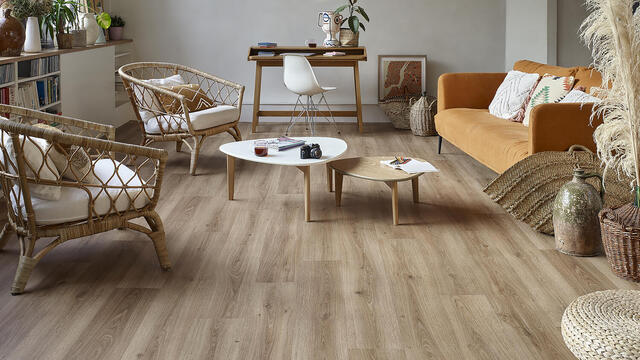
Flooring is one of the most critical elements in home design. It not only sets the tone for your interiors but also affects comfort, maintenance, durability, and even property value. When choosing flooring, homeowners often face a dilemma: should you invest in luxury flooring or stick with budget-friendly options? In this guide, we’ll explore the differences, advantages, and limitations of luxury and budget flooring to help you make an informed decision that suits your home and lifestyle.
1. Understanding the Basics: Luxury vs Budget Flooring
Before diving into options, it’s essential to define what luxury and budget flooring mean.
- Luxury Flooring refers to high-quality, durable materials that often require professional installation and come at a premium price. Examples include solid hardwood, high-end engineered wood, natural stone tiles, and luxury vinyl planks.
- Budget Flooring refers to cost-effective options that still offer style and functionality but may compromise on longevity or aesthetic detail. Examples include laminate, vinyl sheets, carpet, or basic ceramic tiles.
The right choice depends on several factors, including room usage, lifestyle, budget, and personal preference.
2. Advantages of Luxury Flooring
Luxury flooring comes with several compelling benefits:
a. Durability and Longevity
Premium materials like solid hardwood, marble, or high-quality vinyl can last decades when properly maintained. This reduces the need for frequent replacements, making the initial investment worthwhile over time.
b. Aesthetic Appeal
Luxury flooring adds a sense of elegance and sophistication to your home. Wide-plank hardwood, polished marble, or high-end tiles create a visual impact that budget options often cannot match.
c. Increased Property Value
Homes with premium flooring tend to sell faster and at higher prices. Prospective buyers often view luxury flooring as a sign of quality and care.
d. Customization Options
Luxury flooring allows for customization in terms of color, finish, texture, and patterns. For example, engineered wood and luxury vinyl planks come in a wide variety of realistic wood grains and stone looks.
e. Comfort and Quality
High-quality flooring materials often feel better underfoot, offer superior insulation, and provide better noise reduction compared to cheaper alternatives.
3. Limitations of Luxury Flooring
While luxury flooring has many benefits, it also comes with certain considerations:
- High Upfront Cost: Premium materials and professional installation can be expensive.
- Maintenance Requirements: Materials like hardwood or marble require regular cleaning, polishing, or sealing.
- Moisture Sensitivity: Some luxury options like hardwood are less suitable for bathrooms or kitchens unless properly treated.
4. Advantages of Budget Flooring
Budget flooring is ideal for homeowners seeking affordability and practicality without sacrificing too much style.
a. Cost-Effective
Budget flooring options are wallet-friendly and allow homeowners to cover more square footage for less money.
b. Low Maintenance
Many budget-friendly materials like laminate, vinyl, and carpet are easy to clean and resistant to stains and scratches.
c. Versatility
Budget flooring comes in a wide range of colors and patterns, allowing homeowners to achieve trendy or classic looks without spending a fortune.
d. DIY-Friendly Installation
Options like laminate or vinyl planks often feature click-lock systems, making DIY installation possible and saving labor costs.
5. Limitations of Budget Flooring
While budget flooring can be attractive, it does have some downsides:
- Shorter Lifespan: Laminate, carpet, and vinyl may need replacement sooner than luxury options.
- Less Prestige: Cheaper flooring may not add the same perceived value to your home.
- Limited Customization: Some budget options come in fewer textures or finishes and may lack the authenticity of natural materials.
6. Comparing Luxury and Budget Flooring Options
| Flooring Type | Cost | Durability | Maintenance | Aesthetic Appeal | Best Use |
|---|---|---|---|---|---|
| Solid Hardwood | High | Very High | Medium | Elegant & timeless | Living rooms, bedrooms |
| Engineered Wood | High | High | Medium | Realistic wood look | Living rooms, bedrooms |
| Luxury Vinyl Planks | Medium-High | High | Low | Mimics wood/stone | Kitchens, bathrooms |
| Marble / Natural Stone | Very High | Very High | Medium | Luxurious & sophisticated | Entryways, living areas |
| Laminate | Low | Medium | Low | Imitates wood | Living rooms, bedrooms |
| Vinyl Sheet / Tiles | Low | Medium | Low | Many designs | Kitchens, bathrooms |
| Carpet | Low | Medium | Medium | Comfortable & cozy | Bedrooms, living rooms |
| Ceramic Tile | Low-Medium | High | Low | Functional & versatile | Bathrooms, kitchens |
7. How to Decide Between Luxury and Budget Flooring
Step 1: Assess Your Lifestyle
- Families with children or pets may prefer durable and easy-to-clean flooring.
- If the home experiences heavy foot traffic, luxury flooring may be a better long-term investment.
Step 2: Consider Room Function
- Wet areas like kitchens, bathrooms, and basements benefit from water-resistant budget options like vinyl or tile.
- Living rooms and bedrooms often justify luxury options for aesthetic appeal.
Step 3: Factor in Long-Term Costs
- Luxury flooring may have a higher upfront cost but lower replacement frequency.
- Budget flooring is cheaper initially but may require replacement sooner.
Step 4: Prioritize Style vs Budget
- If design and prestige are your priority, luxury flooring is the way to go.
- If practicality and affordability are more important, budget flooring options can still deliver style.
8. Blending Luxury and Budget Flooring
Many homeowners find a hybrid approach works best. For instance:
- Install luxury hardwood in living rooms and bedrooms, while using vinyl or laminate in kitchens and bathrooms.
- Pair high-end tiles in entryways or dining areas with budget-friendly carpets in bedrooms.
This strategy balances aesthetics, durability, and cost-effectiveness.
9. Flooring Trends to Watch in 2025
- Luxury Vinyl Planks (LVP): Affordable yet high-quality option mimicking wood and stone.
- Wide-Plank Hardwood: Creates a modern, spacious look.
- Eco-Friendly Flooring: Bamboo, cork, and recycled materials are gaining popularity.
- Neutral Tones: Beige, gray, and natural wood shades continue to dominate interior designs.
- Textured Surfaces: Both luxury and budget floors now offer realistic wood grains and stone textures.
10. Installation and Maintenance Tips
- Professional Installation: Recommended for hardwood, natural stone, and engineered wood.
- DIY Options: Laminate and vinyl are often DIY-friendly.
- Regular Cleaning: Sweep or vacuum to remove dust, mop with appropriate cleaners.
- Protective Measures: Use rugs, furniture pads, and avoid excessive moisture to prolong flooring life.
11. Final Thoughts
Deciding between luxury and budget flooring ultimately comes down to your priorities, lifestyle, and budget. Luxury flooring provides elegance, durability, and a long-term investment, while budget flooring offers affordability, versatility, and low maintenance.
The best approach often involves a combination—investing in luxury materials where it matters most, and opting for budget-friendly solutions in high-traffic or wet areas. By carefully evaluating your home’s needs, room function, and your long-term goals, you can choose flooring that enhances both style and comfort for years to come.
Remember, flooring is more than just a surface—it’s the foundation of your home’s beauty, comfort, and value. Choose wisely, and your floors will serve you well for decades.