


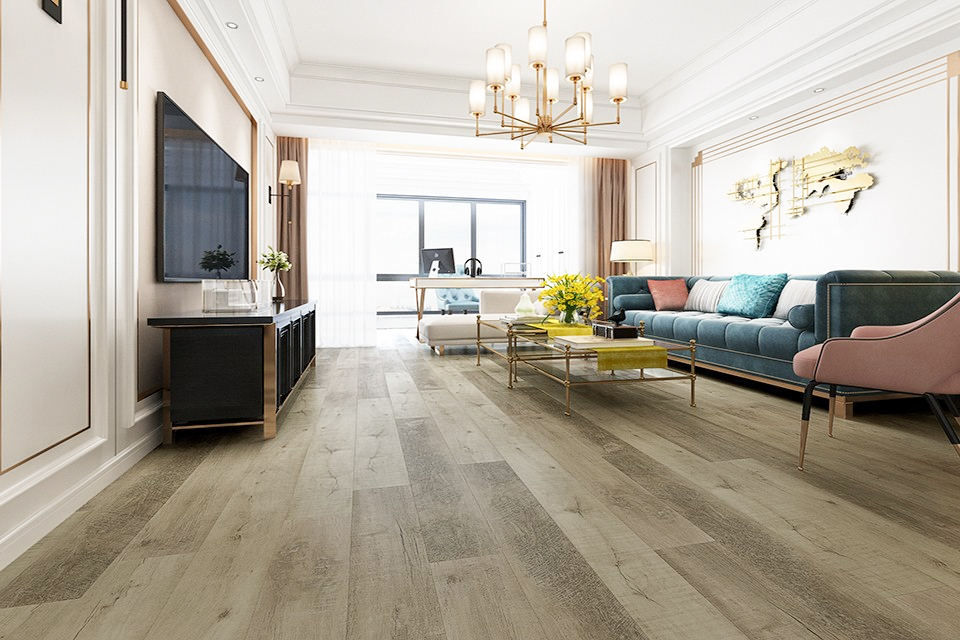
Choosing the right flooring is a cornerstone of modern home design. In addition to enhancing aesthetics, flooring affects comfort, durability, maintenance, and even the overall value of your property. Today’s homeowners want flooring that is not only stylish but also resilient enough to handle everyday wear and tear. Whether you are renovating your home or building from scratch, understanding the best options for modern flooring can help you make a choice that balances elegance, practicality, and longevity.
This guide explores the most durable and stylish flooring options available today, highlighting their benefits, drawbacks, and ideal applications for contemporary living spaces.
1. Why Flooring Matters in Modern Homes
Flooring is more than a surface you walk on—it defines the character of a room and contributes to the overall ambiance. Key reasons flooring matters include:
- Aesthetic Appeal: Flooring sets the tone for your interior design, complementing walls, furniture, and décor.
- Durability: High-traffic areas demand materials that withstand heavy use without losing their charm.
- Comfort & Safety: Flooring affects how a room feels underfoot and can provide slip resistance or warmth.
- Maintenance: Certain materials require less upkeep, which is essential for busy households.
- Home Value: Modern, durable, and stylish flooring options increase property value and appeal.
2. Hardwood Flooring: Timeless Elegance Meets Durability
What is Hardwood Flooring?
Hardwood flooring is made from solid timber, typically sourced from oak, maple, cherry, or walnut. Known for its classic beauty, hardwood is a favorite for modern homes seeking a balance of elegance and durability.
Benefits of Hardwood Flooring
- Longevity: Hardwood floors can last decades with proper care and periodic refinishing.
- Aesthetic Versatility: Offers warmth and sophistication that complements any décor style.
- Easy Maintenance: Regular sweeping and occasional polishing keep hardwood looking pristine.
- Customizable: Can be stained in various shades or refinished to refresh the look.
Drawbacks
- Cost: High-quality hardwood can be expensive upfront.
- Moisture Sensitivity: Not ideal for bathrooms or basements unless properly sealed.
- Installation Requirements: Professional installation is recommended for best results.
Best Rooms for Hardwood
Living rooms, bedrooms, and dining areas benefit most from hardwood flooring, adding elegance and comfort.
3. Engineered Wood Flooring: Modern Alternative to Solid Hardwood
What is Engineered Wood?
Engineered wood consists of a thin veneer of real wood over layers of plywood or high-density fiberboard (HDF). It replicates the appearance of hardwood while offering added stability.
Benefits
- Moisture Resistance: Less prone to warping than solid wood, making it suitable for modern homes.
- Variety: Comes in diverse finishes and plank sizes.
- Cost-Effective: Usually more affordable than solid hardwood while retaining the natural look.
- Eco-Friendly: Uses less timber compared to solid hardwood.
Drawbacks
- Limited Refinishing: Can be sanded and refinished fewer times than solid hardwood.
- Variable Quality: Choose reputable manufacturers for the best durability.
4. Laminate Flooring: Affordable Style for Modern Interiors
What is Laminate Flooring?
Laminate flooring is a synthetic flooring product made of multiple layers, including a photographic layer that mimics wood, stone, or tile.
Benefits
- Cost-Effective: Offers the look of wood at a fraction of the price.
- Durable & Scratch-Resistant: Ideal for homes with children or pets.
- Easy Installation: Click-lock planks make DIY installation possible.
- Wide Range of Designs: Available in many colors, textures, and patterns.
Drawbacks
- Moisture Sensitivity: Not ideal for wet areas unless specially treated.
- Less Authentic Feel: While realistic, it doesn’t replicate the texture and warmth of natural wood.
Ideal Spaces
Living rooms, bedrooms, and hallways are perfect for laminate flooring due to its durability and affordability.
5. Luxury Vinyl Flooring: Stylish and Resilient
What is Luxury Vinyl?
Luxury Vinyl Flooring (LVF) includes vinyl planks, tiles, or sheets that mimic wood, stone, or ceramic tiles. It’s designed for high durability and water resistance.
Benefits
- Waterproof: Ideal for kitchens, bathrooms, and basements.
- Durable: Resists scratches, dents, and heavy foot traffic.
- Variety of Designs: Can replicate wood or stone patterns convincingly.
- Comfortable Underfoot: Softer than stone or ceramic, reducing fatigue.
- Low Maintenance: Simple cleaning keeps it looking fresh.
Drawbacks
- Potential Indentation: Heavy furniture can dent vinyl.
- Environmental Concerns: Low-quality vinyl may emit VOCs (volatile organic compounds).
Ideal Spaces
Luxury vinyl is perfect for kitchens, bathrooms, laundry rooms, and high-traffic areas in modern homes.
6. Tile Flooring: Durability Meets Contemporary Design
Types of Tile Flooring
- Ceramic Tiles: Affordable, versatile, and durable.
- Porcelain Tiles: Denser and more water-resistant than ceramic.
- Natural Stone: Marble, granite, or travertine adds a luxurious touch.
Benefits
- Water and Stain Resistance: Excellent for kitchens, bathrooms, and entryways.
- Durable: Can last for decades with minimal wear.
- Variety of Patterns and Colors: Tiles allow for unique, stylish designs.
Drawbacks
- Hard and Cold Surface: Less comfortable for standing long periods.
- Grout Maintenance: Requires periodic cleaning and sealing.
- Installation Costs: Professional installation is recommended.
Ideal Spaces
Bathrooms, kitchens, entryways, and high-traffic areas benefit from durable and stylish tile flooring.
7. Carpet Flooring: Comfort Meets Modern Design
What is Carpet Flooring?
Carpet flooring consists of woven fibers such as nylon, polyester, or wool, offering softness, insulation, and noise reduction.
Benefits
- Comfortable & Cozy: Soft underfoot, ideal for bedrooms and living rooms.
- Noise Reduction: Absorbs sound, creating a peaceful environment.
- Wide Variety: Available in colors, textures, and patterns to suit modern décor.
- Affordable Options: Budget-friendly solutions are available without sacrificing style.
Drawbacks
- Maintenance: Requires frequent vacuuming and occasional deep cleaning.
- Prone to Stains: Spills must be cleaned immediately to prevent damage.
- Shorter Lifespan: Less durable than hardwood, tile, or vinyl.
Ideal Spaces
Carpets work best in bedrooms, lounges, and areas where comfort and warmth are a priority.
8. Cork and Bamboo Flooring: Eco-Friendly Modern Choices
Cork Flooring
Cork is harvested from the bark of cork oak trees and provides a soft, resilient surface. It offers natural insulation, sound absorption, and is eco-friendly.
Bamboo Flooring
Bamboo is a fast-growing, sustainable material with the durability and aesthetic appeal of hardwood. It’s resistant to scratches and moisture to some extent.
Benefits of Both
- Environmentally friendly and sustainable
- Comfortable underfoot and soft on joints
- Unique patterns and textures suitable for modern interiors
Drawbacks
- Cork can dent easily under heavy furniture
- Bamboo quality varies; low-quality bamboo may scratch or split
9. Choosing the Right Flooring for Modern Homes
When selecting flooring, consider the following factors:
Step 1: Lifestyle Needs
- Families with children or pets need durable and scratch-resistant options like luxury vinyl, laminate, or hardwood.
- High-moisture areas require waterproof flooring such as tile or vinyl.
Step 2: Room Function
- Kitchens, bathrooms, and laundry rooms: vinyl, tile, or engineered wood
- Living rooms and bedrooms: hardwood, engineered wood, laminate, or carpet
Step 3: Budget Considerations
- Luxury materials (hardwood, natural stone, high-end vinyl) have higher upfront costs but last longer.
- Budget-friendly options (laminate, carpet, standard vinyl) are affordable and versatile but may require replacement sooner.
Step 4: Aesthetic Preferences
- Neutral tones like gray, beige, or natural wood remain popular in modern interiors.
- Patterned tiles, textured laminates, and wide-plank hardwood create striking contemporary looks.
10. Maintenance Tips for Durable Flooring
- Hardwood & Engineered Wood: Sweep regularly, clean with wood-friendly cleaners, avoid excess water.
- Laminate & Vinyl: Wipe spills immediately, use gentle cleaning agents.
- Tile & Stone: Clean grout lines, reseal natural stone as needed.
- Carpet: Vacuum frequently, deep clean annually, treat stains promptly.
- Cork & Bamboo: Avoid standing water, clean with pH-neutral products, protect from direct sunlight.
11. Flooring Trends for Modern Homes in 2025
- Wide-Plank Hardwood: Creates a spacious, open feel.
- Luxury Vinyl Planks (LVP): Offers realistic wood and stone textures at an affordable cost.
- Eco-Friendly Flooring: Bamboo, cork, and recycled materials gain popularity.
- Neutral Tones & Earthy Shades: Modern homes favor warm, neutral color palettes.
- Textured Surfaces: Flooring now mimics natural wood grain, stone, or concrete textures for added realism.
12. Conclusion
Choosing the perfect flooring for a modern home is about balancing style, durability, functionality, and budget. From timeless hardwood to low-maintenance luxury vinyl and stylish tile, there are options to suit every lifestyle and design preference.
Consider your family’s needs, the specific requirements of each room, and long-term maintenance before making a decision. Modern flooring is no longer just about aesthetics—it’s about creating spaces that are comfortable, resilient, and visually appealing.
Investing in durable and stylish flooring ensures your home remains elegant and functional for years, providing a solid foundation for modern living.